
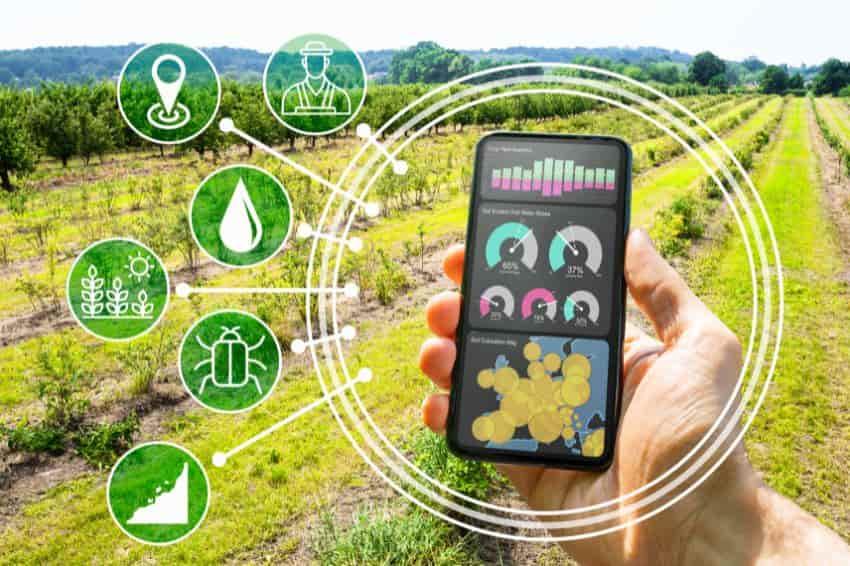
The global IoT in Agriculture Market Size has grown into a significant, multi-billion dollar industry and is projected to experience robust double-digit growth for the foreseeable future. This substantial valuation reflects the critical importance of technology in addressing the monumental challenge of feeding a growing world population sustainably. The market size represents the total global spending on the connected devices, software platforms, and services that enable data-driven farming. The scale of this market is a clear indicator that precision agriculture is moving from a niche concept to a mainstream practice, representing a fundamental and necessary modernization of one of humanity's oldest and most essential industries, driven by a powerful combination of economic and environmental imperatives.
Several powerful factors are responsible for inflating the market size. The primary driver is the demonstrable return on investment (ROI) that these technologies provide. By enabling precision application of resources like water and fertilizer, IoT solutions can lead to significant cost savings. By optimizing growing conditions and detecting problems early, they can lead to substantial increases in crop yield and quality. This direct and measurable impact on a farm's bottom line is a powerful incentive for adoption. The increasing global focus on food security and sustainability is another major catalyst, with governments and international organizations promoting and often subsidizing the adoption of smart farming technologies as a means to achieve these goals.
The economic impact of this growing market size is profound. The industry is a major driver of innovation in the rural economy and is creating a new class of high-tech jobs in areas like agricultural data science, drone piloting, and IoT systems integration. By making farming more efficient and profitable, it helps to ensure the economic viability of farms, particularly in the face of fluctuating commodity prices and rising input costs. More broadly, by increasing the efficiency of food production, it contributes to more stable food prices and a more resilient global food supply chain. The market size, therefore, is not just a measure of technology spending; it is an investment in the future security and sustainability of our global food system.
Looking ahead, the long-term projections for the market size remain exceptionally strong, as future challenges will only increase the need for data-driven agriculture. The growing impacts of climate change, such as more frequent droughts and extreme weather events, will necessitate even more precise management of water and other resources. The consumer demand for greater transparency and traceability in the food supply chain will drive further adoption of IoT for "farm-to-fork" tracking. As technologies like AI, robotics, and blockchain become more integrated with agricultural IoT platforms, the capabilities and value of smart farming will only continue to grow, ensuring a long and sustained growth trajectory for this critical market.
Explore More Like This in Our Regional Reports:
GCC Direct Carrier Billing (DCB) Market

 English
 Indonesia
 French
 Portuguese
 Indonesiaa
 Turkish
 Dutch
Dutch
 Italiano
 Russian
 Romaian
 Portuguese (Brazil)
 Greek
Greek