
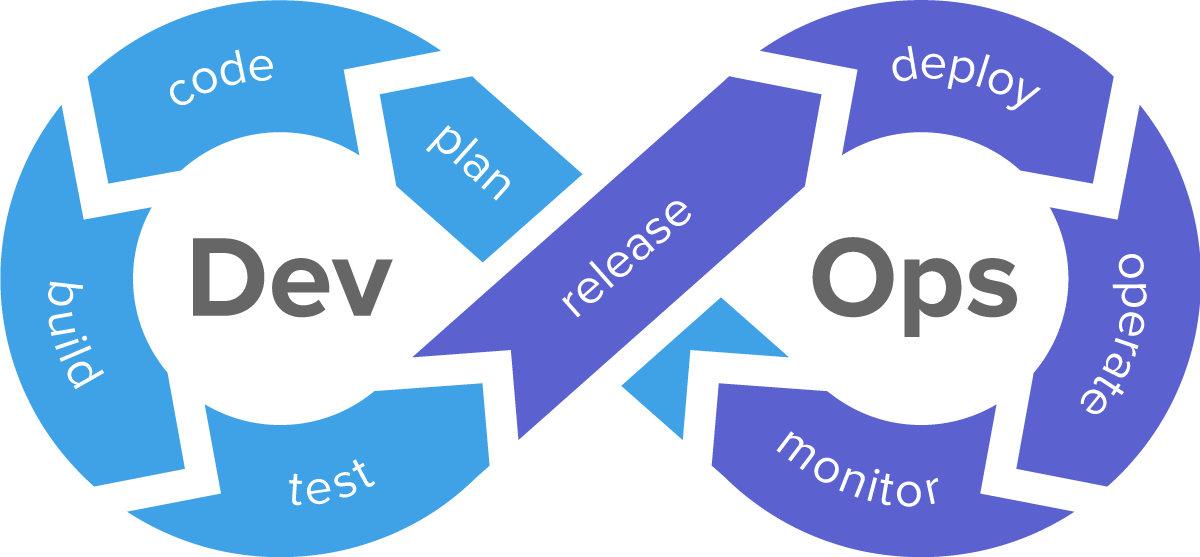
Current DevOps Market Trends reflect evolving technology landscapes and changing organizational priorities in software development and operations. Prominent trends include increasing integration of artificial intelligence and machine learning capabilities that automate complex decision-making processes, predict system failures, and optimize resource allocation. Security integration emerges as a critical trend, with DevSecOps practices embedding security considerations throughout development lifecycles rather than treating security as separate concerns. This shift acknowledges that modern threat landscapes require proactive security measures integrated into automated deployment pipelines, ensuring that applications remain secure while maintaining rapid release cycles.
Containerization and Kubernetes adoption represent transformative trends enabling more flexible and efficient DevOps implementations. Container technologies provide consistent environments across development, testing, and production stages, reducing deployment issues and enabling seamless scaling. Orchestration platforms manage complex containerized applications, automating deployment, scaling, and management tasks that would otherwise require significant manual effort. These trends support microservices architectures that align naturally with DevOps principles, allowing teams to develop, deploy, and scale individual application components independently. Organizations embracing these trends report improved resource utilization, faster deployment capabilities, and enhanced system resilience.
GitOps practices emerge as significant trends, extending DevOps principles by using Git repositories as single sources of truth for infrastructure and application configurations. This approach enables declarative infrastructure management, version-controlled system states, and automated synchronization between desired and actual states. Observability trends emphasize comprehensive monitoring, logging, and tracing capabilities that provide deep insights into system behavior and performance. Modern observability solutions leverage advanced analytics to correlate metrics across distributed systems, enabling rapid issue identification and resolution. These trends reflect growing system complexity requiring sophisticated tools for maintaining visibility and control across dynamic environments.
Sustainability and efficiency optimization represent emerging trends as organizations recognize environmental and economic benefits of optimized resource utilization. DevOps practices incorporating automated resource management, intelligent scaling, and efficient deployment strategies reduce energy consumption and infrastructure costs. Low-code and no-code DevOps tools emerge as trends democratizing automation capabilities, enabling broader organizational participation in DevOps practices beyond specialized technical teams. These trends indicate market maturation as DevOps principles expand beyond initial technology-focused implementations to encompass broader organizational and environmental considerations, reflecting holistic approaches to modern software development and operations.
Explore More Like This in Our Regional Reports:

 English
 Indonesia
 French
 Spanish
 Portuguese
 Indonesiaa
 Turkish
 Dutch
Dutch
 Italiano
 Russian
 Romaian
 Greek
Greek